

This Page is made with the Assistance of Two AI Apps
Selective with Guidance
THIS PAGE INCLUDES PRACTICAL BUDGET TIPS and HELPFUL GUIDELINES
For an Australian audience trying to stretch the grocery budget, a 4 L BillyBoil-style thermal cooker is ideal for meals built around legumes, grains, seasonal vegetables and inexpensive protein sources. The key is making them filling, protein-conscious, nutritious, freezer-friendly and genuinely cheap, rather than simply calling a meatless meal “budget.”
I’d suggest building the recipes around combinations such as lentils + grains, beans + grains, chickpeas + dairy, and legumes + seeds/nuts in modest quantities. That gives people good protein quality without relying on expensive meat substitutes.
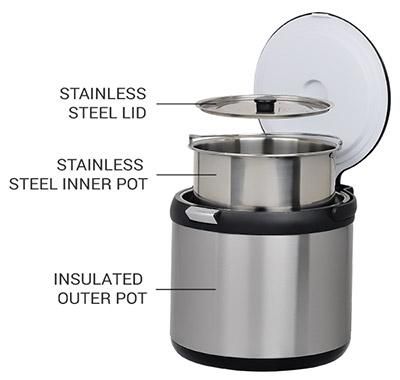
4 Li BillyBoil Thermal Cooker - Great for Budgeting!!!
For a 4 L cooker, I'd generally formulate each recipe to make roughly 6–8 generous serves, depending on whether it's served with rice, bread or another side. That makes the economics much more meaningful because people can cook once and have several inexpensive meals.
I’ve based the collection around legumes because the Australian Dietary Guidelines specifically identify beans, lentils and other legumes as a cost-efficient source of protein, iron and fibre.
Cheap, Nourishing, Protein-Conscious Meals for Australian Families
When the grocery budget is under pressure, nutritious eating can feel like an impossible juggling act.
But some of the most economical foods in the supermarket are also wonderfully nutritious: dried lentils, split peas, beans, chickpeas, oats, barley, rice, potatoes, carrots, onions, cabbage, frozen vegetables and seasonal produce.
A thermal cooker can make these inexpensive ingredients go a surprisingly long way.
The recipes below are designed around a 4-litre thermal cooker, making approximately 6–8 serves depending on appetite and accompaniments. They focus on legumes and whole foods rather than expensive meat substitutes.
A note about "balanced protein"
For vegetarian meals, I like to think beyond simply asking, "How many grams of protein are in this?"
Combining foods such as legumes + grains, or legumes with dairy, nuts or seeds, gives us a broad nutritional profile. The Australian Dietary Guidelines also recognise legumes, nuts and seeds as valuable foods in plant-based eating patterns.
And don't underestimate the humble lentil!
You can See a Page on these Neat little Cookers HERE on Ours Australia.
(No Commissions - I'm not an Affiliate - this is for You, I'm doing this!)
Before You Start: Thermal Cooker Basics
A thermal cooker is essentially an insulated cooking system. You bring the food to a proper boil on the stove first, allow it to simmer for the required initial cooking period, and then transfer the covered inner pot immediately into the insulated outer container.
The cooker then retains the heat and allows the food to continue cooking without consuming several hours of stove-top energy.
General method
For the recipes below:
- Place ingredients in the inner cooking pot.
- Bring the contents to a vigorous boil on the stove.
- Reduce heat and simmer for the specified initial period.
- Put the lid on securely.
- Immediately place the inner pot into the thermal cooker.
- Close the outer cooker.
- Leave undisturbed for the recommended cooking time.
- Check that the food is thoroughly cooked before serving.
Important: Thermal cooking times vary with the cooker, starting temperature, quantity, ingredients and ambient temperature. Use the times below as starting points and learn how your particular BillyBoil performs.
For Food Safety Reasons: Never leave Food in the Pot after you have a Meal because as with any Pot or Pan, unsafe Bacteria develops in that Food, and that can lead to Toxicity and cause a Stomach Infection. It also Adversely Affects your Microbiome. You want Healthy Microbes, not Unhealthy. Hey? But just as with a Slow Cooker, Food is perfectly Safe in the BillyBoil Up-To 12 Hours before you Open the Pot and Serve a Meal. So the general Safety Rule here is to Resist the Urge to Leave Food in it, once you Serve Food from it.
___________________________________________________________________________________________
Economical Vegetarian Meals for a 4-Litre Thermal Cooker
A particularly economical starting recipe
Red Lentil, Potato & Vegetable Dahl
- 2 cups dried red lentils
- 1 kg potatoes, diced
- 2 carrots, diced
- 1 large onion, chopped
- 2–3 cloves garlic
- 1 cup frozen peas
- 1 × 400 g tin diced tomatoes
- 1–2 tbsp curry powder
- 1 tsp ground cumin
- 1 tsp turmeric
- 1 tsp salt, or to taste
- 7–8 cups water or inexpensive vegetable stock
- 2 tbsp peanut butter, optional but excellent for extra protein, calories and flavour
- 2 handfuls chopped spinach or other inexpensive greens, added near the end
Method
- Put the lentils, potatoes, carrots, onion, garlic, tomatoes, spices and water/stock into the inner cooking pot.
- Bring everything to a proper boil on the stove.
- Simmer for approximately 5–10 minutes, stirring occasionally.
- Transfer the covered inner pot into the thermal cooker.
- Close immediately and leave to cook for several hours until the lentils and potatoes are completely tender.
- Stir in the peas and greens toward the end; if necessary, return the pot briefly to the stove to bring it back to a boil before putting it back into the thermal cooker.
- Stir through the peanut butter before serving if using.
- Serve on its own, with rice, or with inexpensive wholemeal bread.
Red Lentil, Potato & Vegetable Dahl
Makes approximately 6–8 serves
This is a favourite "feed a family for very little" meals.
Ingredients
- 2 cups dried red lentils, rinsed
- 750 g–1 kg potatoes, diced
- 2 carrots, diced
- 1 large onion, chopped
- 2–3 cloves garlic, chopped
- 1 x 400 g tin diced tomatoes
- 1 cup frozen peas
- 2 tbsp curry powder
- 1 tsp turmeric
- 1 tsp ground cumin
- 7 cups water or vegetable stock
- Salt and pepper to taste
- 2 tbsp peanut butter, optional
- 2 handfuls spinach or other greens, optional
Method
Place everything except the peas, greens and peanut butter into the cooking pot.
Bring to the boil, then simmer for 8–10 minutes, stirring occasionally.
Transfer immediately to the thermal cooker and leave for approximately 3–4 hours, or until the lentils and potatoes are completely tender.
Stir in the peas and greens toward the end. If necessary, return the pot to the stove and bring it back to a boil before serving.
Stir through peanut butter for extra richness and protein.
Serve with
Rice, wholemeal toast, damper or simply a spoon.
Budget tip
Use whatever vegetables are cheapest. Pumpkin, sweet potato, zucchini, cauliflower stems and leftover cooked vegetables can all work.
Approximate protein: around 15–18 g per serve, depending on serving size and accompaniments.
Modern Homestyle Goulash
Over the decades, the term evolved across English-speaking countries. For generations of home cooks, "Goulash" has simply meant a thick, comforting, one-pot tomato-based stew that utilizes humble, budget-friendly pantry staples. This is exactly why it fits your budget-friendly vegetarian meals so beautifully.
Three-Bean Tomato & Vegetable Goulash
Makes approximately 6–8 serves
A brilliant pantry meal when the refrigerator is looking rather bare.
Ingredients
- 2 x 400 g tins kidney beans, drained and rinsed
- 1 x 400 g tin chickpeas, drained and rinsed
- 1 x 400 g tin cannellini or butter beans
- 1 x 400 g tin diced tomatoes
- 2 carrots, chopped
- 2 potatoes, diced
- 1 onion
- 1 cup frozen corn
- 2 cloves garlic
- 2 tsp smoked paprika
- 1 tsp cumin
- 1 tsp dried oregano
- 2 cups water or stock
- Pepper and a modest amount of salt
Method
Combine all ingredients in the inner pot.
Bring to a vigorous boil and simmer for 10 minutes.
Transfer to the thermal cooker for approximately 3 hours.
Check that the potatoes are tender before serving.
Serve with
Brown rice, wholemeal bread or barley.
Budget tip
Dried beans are generally economical when bought in larger packets, although they require separate soaking and cooking. Tinned beans are particularly useful when convenience matters.
Approximate protein: 15–18 g per serve.
Lentil, Barley & Vegetable Winter Warmer
Makes approximately 6–8 serves
Barley is an underrated budget food. It adds body, texture and staying power without costing much.
Ingredients
- 1½ cups brown or green lentils, rinsed
- 1 cup pearl barley
- 2 carrots
- 2 potatoes
- 1 onion
- 2 celery sticks, if inexpensive
- ½ small cabbage, shredded
- 2 tbsp tomato paste
- 1 tsp dried thyme
- 1 tsp paprika
- 8 cups vegetable stock or water
- Black pepper
- Salt to taste
Method
Put everything into the inner pot.
Bring to the boil and simmer for 10–12 minutes.
Transfer to the thermal cooker for approximately 4–5 hours.
The barley should be tender and the lentils soft.
Budget tip
Don't buy celery specially for this recipe if it is expensive. Leave it out or use celery leaves, carrot tops or leftover vegetables instead.
Approximate protein: 14–17 g per serve.
Chickpea, Potato & Spinach Curry
Makes approximately 6 serves
Creamy without requiring a large quantity of expensive coconut milk.
Ingredients
- 3 x 400 g tins chickpeas, drained and rinsed
- 750 g potatoes, diced
- 1 large onion
- 2 carrots
- 1 x 400 g tin tomatoes
- 1 cup frozen spinach or 2–3 handfuls fresh spinach
- 2 tbsp curry powder
- 1 tsp cumin
- ½ tsp turmeric
- 1 tbsp peanut butter or tahini
- 5–6 cups water or stock
- Salt and pepper
Method
Combine everything except spinach and peanut butter.
Bring to the boil and simmer for 8–10 minutes.
Transfer to the thermal cooker for approximately 3 hours.
Stir in spinach and peanut butter before serving.
Serve with
Rice or wholemeal flatbread.
Approximate protein: 14–17 g per serve, more when served with a grain.
Mexican Bean, Corn & Rice Bowl
Cook the bean mixture in the thermal cooker and prepare rice separately.
Makes 6–8 serves
Ingredients
- 2 x 400 g tins black beans or kidney beans, drained
- 1 x 400 g tin chickpeas
- 1 x 400 g tin diced tomatoes
- 1½ cups frozen corn
- 1 onion
- 2 carrots, finely diced
- 1 capsicum, if affordable
- 2 tsp cumin
- 2 tsp paprika
- ½–1 tsp chilli powder
- 2 cups water or stock
- Juice of 1 lime or lemon, optional
Method
Combine all ingredients except citrus.
Bring to the boil and simmer for 10 minutes.
Transfer to the thermal cooker for approximately 2½–3 hours.
Prepare rice separately.
Serve the bean mixture over rice.
Budget toppings
Skip expensive avocado if necessary. Try:
- chopped tomato
- shredded cabbage
- plain yoghurt
- coriander
- a squeeze of lemon
- homemade salsa
Approximate protein: 16–20 g per serve when served with rice.
Split Pea, Potato & Carrot Soup
Makes approximately 7–8 serves
This is a wonderfully old-fashioned economical meal.
Ingredients
- 2 cups dried split peas, rinsed
- 3 potatoes, diced
- 3 carrots, chopped
- 1 large onion
- 2 celery sticks, optional
- 1 tsp thyme
- 1 bay leaf
- 8 cups water or vegetable stock
- Black pepper
- Salt to taste
Method
Place all ingredients in the inner cooking pot.
Bring to the boil.
Simmer for approximately 10 minutes, then transfer to the thermal cooker.
Leave for approximately 4–5 hours, or until the split peas have broken down and the vegetables are tender.
Remove bay leaf before serving.
Make it go further
Serve with wholemeal toast, damper or leftover cooked grains.
Approximate protein: 13–16 g per serve.
Surprising Lentil "Bolognese"
Makes approximately 6–8 serves
A very economical way of turning a packet of pasta into several nutritious meals.
Ingredients
- 2 cups brown or green lentils, rinsed
- 1 large onion
- 2 carrots, finely chopped
- 2 celery sticks, optional
- 2 cloves garlic
- 2 x 400 g tins diced tomatoes
- 2 tbsp tomato paste
- 2 tsp dried Italian herbs
- 6 cups water or stock
- Black pepper
- Salt to taste
Method
Place all ingredients into the inner cooking pot.
Bring to the boil and simmer for 10–12 minutes.
Transfer to the thermal cooker for approximately 4 hours, until lentils are tender.
Cook wholemeal pasta separately.
Spoon the lentil sauce over the pasta.
Extra protein option
Add a small amount of grated cheese if the household budget allows.
Approximate protein: 16–20 g per serve when combined with wholemeal pasta.
Curried Lentil & Sweet Potato Goulash
Makes approximately 6–8 serves
Ingredients
- 2 cups red or brown lentils
- 750 g sweet potato, cubed
- 1 onion
- 2 carrots
- 1 cup frozen peas
- 1 x 400 g tin tomatoes
- 2 tbsp curry powder
- 1 tsp turmeric
- 1 tsp cumin
- 7 cups water or stock
- 2 tbsp peanut butter
- Salt and pepper
Method
Combine everything except peas and peanut butter.
Bring to the boil and simmer for 8–10 minutes.
Transfer to the thermal cooker for 3–4 hours.
Stir in peas and peanut butter before serving.
Budget variation
Use ordinary potatoes instead of sweet potato when potatoes are cheaper.
Approximate protein: 15–18 g per serve.
Peanut, Bean & Vegetable Satay
Makes approximately 6–8 serves
This one is particularly useful when you want something filling and comforting.
Ingredients
- 2 x 400 g tins kidney beans or cannellini beans
- 1 x 400 g tin chickpeas
- 750 g potatoes
- 2 carrots
- 1 onion
- 1 cup frozen peas
- 2 tbsp peanut butter
- 1 x 400 g tin tomatoes
- 2 tsp curry powder
- 1 tsp cumin
- 1 tsp paprika
- 5–6 cups water or stock
- 1 tbsp soy sauce or tamari, optional
- Lime or lemon juice, optional
Method
Combine everything except peas and citrus.
Bring to the boil and simmer for 10 minutes.
Transfer to the thermal cooker for approximately 3 hours.
Add peas toward the end.
Stir thoroughly and add lemon or lime juice just before serving.
Approximate protein: 16–19 g per serve.
Budget Beef and Lentil Bolognese
A Budget-Stretching Family Meal for a 4-Litre Thermal Cooker
This hearty Bolognese combines a modest amount of beef mince with lentils and vegetables to create a substantial, nutritious sauce that goes a long way.
The lentils don't overpower the beef—they simply help stretch it, add fibre and give the sauce a wonderful texture.
Makes
Approximately 8 generous serves of sauce
Ingredients
- 500 g beef mince
- 1½ cups dried brown or green lentils, rinsed
- 2 large onions, finely chopped
- 3 carrots, finely diced
- 2 celery sticks, finely diced — optional
- 3 cloves garlic, finely chopped
- 2 x 400 g tins crushed or diced tomatoes
- 2 tbsp tomato paste
- 1½–2 litres water or beef/vegetable stock
- 2 tsp dried oregano
- 2 tsp dried basil or Italian herbs
- 1 tsp paprika
- 1 bay leaf
- 1–2 tsp Worcestershire sauce — optional
- Black pepper
- Salt to taste
- 1 tbsp olive oil, if required for browning
- 1 cup frozen peas, optional
- 1 large zucchini, grated — optional and excellent for stretching the sauce further
Method
1. Brown the beef
Heat the inner cooking pot on the stove.
Add the beef mince and cook, breaking it up thoroughly, until browned.
If the mince is very lean, add a small amount of olive oil. If it releases plenty of fat, you can drain some off if desired.
2. Add the vegetables
Add the onion, carrot, celery and garlic.
Cook for approximately 5 minutes, stirring occasionally.
Add the grated zucchini if using.
3. Build the sauce
Add:
- Lentils
- Tomatoes
- Tomato paste
- 1½ litres of water or stock
- Herbs
- Paprika
- Bay leaf
- Worcestershire sauce, if using
- Black pepper
Stir thoroughly.
The mixture should be quite liquid at this stage because the lentils will absorb a considerable amount of water.
4. Bring to the boil
Bring the entire mixture to a proper boil.
Reduce the heat and simmer for approximately 10–15 minutes, stirring occasionally.
5. Transfer to the thermal cooker
Put the lid securely on the inner pot and immediately transfer it into the preheated/insulated thermal cooker.
Close the outer lid.
Allow approximately 4–5 hours cooking time, depending on your cooker and the lentils.
The lentils should be completely tender before serving.
6. Finish
Remove the bay leaf.
Taste and adjust the seasoning.
If the sauce is thinner than you like, return the inner pot to the stove and simmer uncovered until it reaches the desired consistency.
If using frozen peas, stir them through during the final part of cooking and ensure they are thoroughly heated.
Make the Beef Go Further
The recipe uses 500 g beef mince + 1½ cups dried lentils.
For an even tighter budget, you can use:
400 g beef mince
Simply increase the vegetables slightly and retain the lentils.
250–300 g beef mince
This can work too. Add another ½ cup lentils and perhaps extra carrot, zucchini, mushrooms or finely chopped cabbage.
The result will still taste like a rich Bolognese, but the meat becomes more of a flavour component than the bulk of the meal.
Why the Lentils Work So Well
Lentils are doing several jobs here.
They:
Stretch the expensive ingredient — 500 g of mince becomes a large family-sized pot.
Add plant protein — complementing the beef.
Add fibre — something conventional mince-heavy Bolognese can lack.
Add bulk and texture — helping everyone feel satisfied.
Reduce the cost per serve — particularly when dried lentils are bought in larger packets.
And because they're simmered in the tomato and beef-flavoured sauce, they're much less conspicuous than they can be in some lentil dishes.
A Budget Variation: "Half-Meat" Bolognese
For households really trying to make the grocery dollar stretch, try:
- 250 g beef mince
- 2 cups dried lentils
- 2 carrots
- 2 onions
- 1 zucchini
- 2 tins tomatoes
- Tomato paste
- Italian herbs
- 1½–2 litres water/stock
It produces a remarkably substantial sauce.
Served over wholemeal pasta, it becomes a high-fibre, protein-conscious family meal without requiring a large quantity of meat.
And nobody needs to call it a "meat substitute."
It's simply Beef & Lentil Bolognese—good, honest food that makes the beef go further.
Dear Friends, I will be back to this Page in daytime with more Recipes. It is after Midnight and I have been working with AI Apps through the day for you, to get some Recipes together and Prices for different Methods of Cooking. The BillyBoil is by Far, the Most Economical. That's for Sure!
And Please: Whatever you do, for Electricity, don't go Energy Australia, because they keep deliberately Changing whatever Best Plan you are on to More Expensive. This happens So Many Times to their Customers (a Family Member and myself experienced this more than once a year, several times) we Left!
You can also do Far Worse with Simply Energy - now called Engie - they're up to bad tricks with terrible Charges. I will say more about them on a different Page.
The Company that gives Us the Best Service for Stable Best Rates (both Electricity and Gas) is AGL. They have Integrity like we used to Experience with them. More about these things on another Page on 12th - 14th August.
See my other Recipe Page for BillyBoil Thermal Cookers HERE
Consider my Intro Series: Garden to Table: How to Squeeze Maximum Nutrition and Big Grocery Savings Out of Limited Spaces to show you how Growing SOME Herbs and Veggies in Small Space Garden Patches or Spaces can Make a Difference for Your Budget. You will find Part 1, 2, 3, and 4 in my Blog!
I bought a BillyBoil for myself because they're Cute, I Love the Thermal Concept and it's Similar to a Slow Cooker but not as Big and Bulky - plus mine is a 3 Litre Capacity model. They use so Very Electricity or Gas and will really Help You I feel. I really Do Care, and now I must away for the night:)