

The Best Food Groups for Fatty Liver Recovery
When it comes to healing fatty liver disease, certain food groups stand out for their therapeutic properties. Let’s start with one of the most powerful: protein-rich foods in “foods good for fatty liver group” .
Best Protein Foods for Fatty Liver Health
High-quality protein supports liver health by aiding in cell repair and reducing fat accumulation risks.
1. Wild-Caught Fatty Fish: Your Liver’s Best Friend
Wild-caught fatty fish tops the list of beneficial proteins for fatty liver recovery. Here’s why:
- Salmon: Rich in omega-3 fatty acids that reduce liver inflammation
- Sardines: High in protein and vitamin D, supporting liver cell repair
- Mackerel: Contains compounds that help prevent fat accumulation in the liver
Omega-3 fatty acids in wild-caught fatty fish, such as salmon and sardines, are known to reduce liver inflammation and support overall liver health.
2. Lean Poultry: Essential Protein Without Excess Fat
Lean poultry provides essential amino acids that support liver health without adding unnecessary saturated fats:
- Skinless chicken breast
- Turkey breast
3. Legumes and Pulses: Plant-Powered Liver Support
Legumes offer a powerful combination of protein and fiber, both crucial for liver health:
- Lentils: High in fiber and iron, supporting liver detoxification
- Chickpeas: Rich in choline, essential for fat metabolism
- Black beans: Contain antioxidants that protect liver cells
4. Plant-Based Protein Alternatives
For those following a plant-based diet, these alternatives provide excellent protein support:
- Tempeh: Fermented soy that’s easier to digest than other soy products
- Quinoa: A complete protein containing all essential amino acids
Best High-Fiber Foods for Fatty Liver Recovery
Fiber isn’t just about digestive health – it’s a powerful ally in fighting fatty liver disease. Recent research shows that increasing fiber intake can reduce liver fat. But not all fiber sources are equally effective.
1. Leafy Greens: Nature’s Liver Cleaners
Leafy greens contain specific compounds that actively support liver health:
- Arugula: Contains nitrates that improve blood flow to the liver
- Spinach: Rich in glutathione, the liver’s primary detoxification compound
- Swiss chard: Provides unique antioxidants that protect liver cells
Research published in the Journal of Hepatology shows that consuming leafy greens daily can improve liver enzyme levels..
2. Brassica Vegetables: Powerful Liver Support
These vegetables contain unique sulfur compounds that enhance liver function:
- Broccoli: Contains sulforaphane, which reduces liver inflammation
- Brussels sprouts: Support the liver’s natural detoxification processes
- Cauliflower: Provides compounds that help reduce liver fat accumulation
3. Best Whole Grains for Liver Health
Not all grains are created equal. These specific whole grains have shown particular benefits for fatty liver:
- Quinoa: Contains complete protein along with fiber
- Oats: Provide beta-glucans that help reduce liver fat
- Buckwheat: Rich in compounds that support liver cell repair
4. Fiber-Rich Legumes for Fatty Liver
Legumes offer a unique combination of fiber and protein that’s particularly beneficial for liver health:
- Red lentils: Easy to digest and rich in liver-supporting nutrients
- Black beans: High in resistant starch that feeds beneficial gut bacteria
- Split peas: Provide steady energy while supporting liver function
How Fiber Helps Your Liver Heal
Fiber works through multiple mechanisms to support liver health:
- Slows sugar absorption, reducing insulin spikes
- Feeds beneficial gut bacteria that produce anti-inflammatory compounds
- Helps remove toxins that could burden the liver
- Supports healthy bile production and flow
Smart Ways to Add These Foods to Your Diet
To maximize the benefits of these fiber-rich foods:
- Start your day with a bowl of steel-cut oats topped with berries
- Add a handful of leafy greens to your smoothies
- Replace rice with quinoa in your meals
- Include at least one cruciferous vegetable in your daily dinner
Best Antioxidant Foods for Fatty Liver Healing
When it comes to fighting fatty liver disease, antioxidants act like your liver’s personal protection squad. Recent research shows that specific antioxidant-rich foods can reduce liver inflammation and help reverse fat accumulation.
“Here’s something fascinating I’ve observed in treating fatty liver disease: patients who combine antioxidant-rich foods with protein sources show significantly better liver enzyme improvements than those who focus on either nutrient alone. It’s not just about eating berries or fish – it’s about creating synergistic combinations that enhance the body’s natural healing processes.
”Dr. Babak Jamalian, Family Physician.
1. Power-Packed Berries for Liver Health
Berries contain unique compounds that actively support liver healing:
- Blueberries: Rich in anthocyanins that reduce liver inflammation
- Strawberries: Contain ellagic acid that helps prevent liver fat accumulation
- Raspberries: Provide powerful antioxidants that protect liver cells
2. Green Tea Benefits for Fatty Liver
Green tea’s catechins make it a powerful ally in liver health. Studies show that drinking 2-3 cups daily can:
- Reduce liver fat
- Lower harmful liver enzymes
- Protect against liver cell damage
Note: Green tea consumption should not exceed 3 cups per day.
3. Rainbow of Liver-Protecting Vegetables
Each color provides different antioxidants that support liver health:
- Red: Capsicums, tomatoes (rich in lycopene)
- Orange: Carrots, sweet potatoes (beta-carotene)
- Purple: Eggplant, purple cabbage (anthocyanins)
Best Healthy Fats for Fatty Liver Recovery
Contrary to what many believe, certain fats are essential for healing fatty liver disease. The key is choosing the right types and amounts.
1. Extra Virgin Olive Oil: Your Liver’s Best Friend
Research shows that 1-2 tablespoons of extra virgin olive oil daily can:
- Reduce liver fat accumulation
- Lower inflammation markers
- Improve liver enzyme levels
2. Avocados: Nature’s Perfect Liver Support
Avocados provide a unique combination of healthy fats and antioxidants that:
- Support natural liver cleansing
- Help reduce inflammation
- Protect liver cells from damage
3. Best Nuts and Seeds for Liver Health
- Walnuts: Rich in omega-3s and antioxidants
- Almonds: High in vitamin E for liver protection
- Flaxseeds: Provide lignans and omega-3s
Optimal Daily Intake Guide
For maximum liver benefits, aim for:
- 1-2 cups of berries daily
- 2-3 cups of green tea
- 4-5 servings of colorful vegetables
- 1-2 tablespoons of extra virgin olive oil
- 1/4 – 1/2 avocado daily
- 1 ounce of nuts or seeds
“The combination of antioxidants and healthy fats provides a powerful one-two punch against fatty liver disease, supporting both prevention and healing.”
Remember to introduce these foods gradually and listen to your body’s response. The goal is to create sustainable, long-term habits that support your liver health.
INFO Source HERE
Why Aubergines are Great for Your Liver
Aubergines (Eggplants) are highly recommended because they are a low-calorie, non-starchy vegetable rich in fiber and antioxidants, which actively support liver health.
- High in Fiber: Aubergines are excellent sources of dietary fiber, which helps prevent fat from building up in your liver and assists with blood sugar management. [1]
- Rich in Antioxidants: They contain anthocyanins (the plant pigments that give aubergines their purple color), which act as powerful antioxidants to reduce oxidative stress and inflammation in the body. [1]
- Weight Management: As a non-starchy, filling vegetable, they help control weight, which is a crucial part of managing or reversing fatty liver disease. [1, 2]
A Quick Consideration
Aubergines belong to the nightshade family. While rarely an issue for most people, some individuals with specific liver or digestive issues find that nightshades may cause inflammation. However, for general fatty liver management, they are perfectly safe and beneficial.
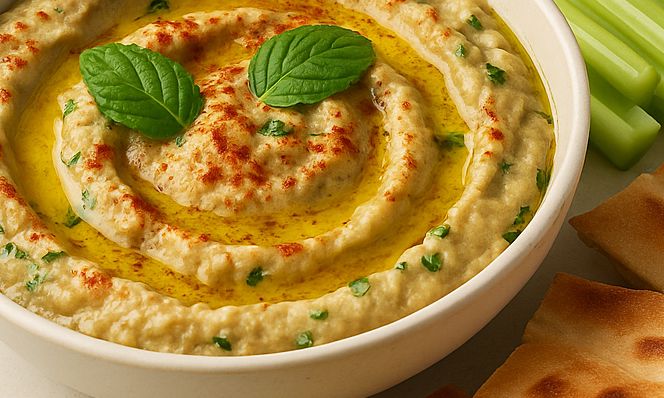
Safe Eggplant-Dip for Fatty Liver - Very Beneficial
- large or 2 small eggplants
- 1 clove of garlic
- Juice of half a lemon
- 5 tablespoons tahini paste (sesame seed paste)
- 2 tablespoons extra virgin olive oil
- Half a teaspoon cumin powder
- Ground black pepper
- Extra virgin olive oil
Recipe Source HERE
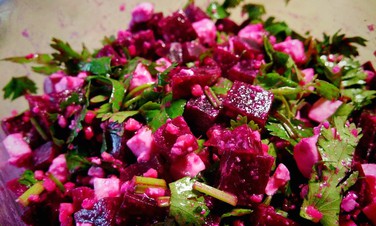
Liver Detoxing Beetroot Feta Cheese Salad
Beetroot - Feta Cheese Salad - Great For Detox!!!
Beetroot is so good for the liver, it detoxifies and supports liver health, is heart-healthy and fights inflammation. If you don’t like beetroot juice, you will love this salad. If you love beetroot, you will love this salad even more! This beetroot-feta cheese salad has all the incredible ingredients that make it a synergy of superfoods that do so much for your health!
Health Benefits of Beetroot
Beetroots have long been known for its outstanding health benefits for not only the liver, but also for almost every part of the body. These are only a few of a long list of health benefits:
- Its alkalinity is effective for combating over-acidity in the body.
- The high content of iron regenerates and reactivates the red blood cells and supplies fresh oxygen to the body. The copper content works as a co-factor to make iron more bio-available to the body.
- It is a powerful solvent for inorganic calcium deposits that cause arteries to harden.
- Eating beetroot helps dilate blood vessels and improve blood pressure, lowering high blood pressure and elevating low blood pressure.
- Betaine is a significant anti-cancer property that inhibits formation of cancer-causing compounds, and protects against cancer of the stomach and colon.
- Choline from beetroot detoxifies not only the liver, but also the entire system of excessive alcohol abuse.
- The anti-inflammatory properties in beetroot makes this food a great natural painkiller, helps ease pains from gout, arthritis and injuries.
- Detoxifies the liver and healing for bile ailments such as jaundice, hepatitis, food poisoning.
Health Benefits of Feta Cheese
Many people read “cheese” and think “unhealthy”. The good news is, not all cheeses are bad for you. Feta cheese is very low in calories and perhaps, one of the healthiest cheeses available. It is delicious when used proportionately in recipes.
Feta cheese is made from sheep or goat’s milk (or both), it has a pleasant savory taste, is nutrient-rich so you can eat it without guilt (although moderation is always the best policy)! Feta cheese (like goat’s milk) is easier to digest and much less allergenic and inflammatory, making it an ideal food for individuals who cannot tolerate cow’s dairy products.
Some of the benefits of feta cheese:
- It has a protein called alpha-lactalbumin that in the presence of calcium and zinc in the cheese, makes it a food that is protective against tumors and cancer.
- Feta cheese has another protein called histidine that combines with vitamin B6 (also present in the cheese), undergo a molecular process to become histamine, that protects the body from damages by inflammation.
- This healthy cheese provides you with beneficial bacteria that not only strengthens your gut health, but also improves your immune system.
- A good source of vitamin B2, feta cheese is a food that helps prevent headaches or migraines.
- The presence of folate (vitamin B12) and the small amount of iron in feta cheese, makes it a food that contributes to healthy blood-building.
Cilantro And Garlic
This beetroot-feta cheese salad recipe calls for finely chopped cilantro and garlic. Two of my most favorite foods that are great for detoxifying heavy metals.
Garlic on its own, is an anti-coagulant, has anti-cancer properties, strengthens the immune system, lowers blood sugar levels, treats fungal infections, normalizes blood pressure, detoxifies toxins from the blood and relieves gas/bloating in the stomach.
Cilantro contains natural properties that are antibiotic, anticancer, antimicrobial, anti-inflammatory. This factor alone makes this herb a superior food to be eaten for strengthening the immune system. Eating cilantro regularly helps to detoxify heavy metals from the body, preventing Alzheimer’s and Parkinson’s diseases.
Extra Virgin Organic Olive Oil
We use extra virgin organic olive oil in this recipe. You can substitute it with other heart-healthy oil such as pure grapeseed oil, sesame oil or avocado oil.
These oils have rich stores of precious monounsaturated fats that literally help you to burn fats when used the right way. And, having high quality fats in your salad helps your body to absorp maximum nutrients from the salad.
Beetroot-Feta Cheese Salad Recipe
This salad has the perfect combination of all the healthiest ingredients in one bowl, with the perfect balance of tastes—sweet, savory, tangy and the unique taste/fragrant from cilantro.
Sometimes I add lightly-toasted cashew nuts in the end, once I mix up all the ingredients. The nuts give the salad a fuller, scrumptious taste and also keeps you feeling full for longer. It’s optional (but highly recommended) or you may also use any other nuts as you desire. Here’s what you need:
Ingredients:
- 2 medium-large beetroots
- 50-60 grams of feta cheese
- 2 cloves of garlic, finely minced
- 2 tablespoons of finely chopped cilantro
- 3 tablespoons of olive oil
- A fistful of lightly-toasted cashew nuts (optional but salad tastes so good with them)
Directions:
- Wash and scrub the beetroot clean. Boil them in a Stainless Steel pot on medium heat for about 40-45 minutes. You should be able to pierce through the beetroots easily with a knife when they’re done.
- Drain the hot water from the pot and fill with cold water to cool.
- Peel off the skin. I find it easier to scrape off the skin with a spoon.
- Cube the beetroots and feta cheese.
- Add all ingredients in a big salad bowl, drizzle the olive oil and mix them up.
- Serve chilled. Enjoy!
Recipe Source HERE
I have these Articles in the Blog also recently:
18 Liver-Friendly Foods You Can Add To Your Weekly Rotation HERE
Please don't hesitate to see someone Professional if you are not Improving!
Find More Recipes for Fatty Liver HERE
Find some more Recipes in Copy Me That HERE
Related reading:
Top strategies and heavy metal chelating foods to treat heavy metal toxicity.