

Having bugs in and around your home, garden, patio, or yard can be frustrating. Not to mention, they're especially hard to get rid of. While powerful, inexpensive insecticides can help eliminate these nuisances, they can also introduce harmful chemicals into your living space.
Looking for a natural way to get rid of bugs and other pesky critters? Then know that many flowers offer protection against them. According to the Malaria Journal, certain plants and flowers contain compounds that insects find toxic, resulting in an effective repellent that can keep them out of your garden or home. Ultimately, this will mean seeing fewer pests, such as mosquitos, fleas, cockroaches, flies, and more, all year long.

Purple Onion Flowers - Wards Off Bugs
So, if you want to enjoy your time indoors or outdoors without annoying insects, there are plenty of blossoms out there that may be the solution you're looking for. Whether you're a novice or someone with a green thumb, you'll be sure to find the right bug-repelling flowering plant in this comprehensive guide.
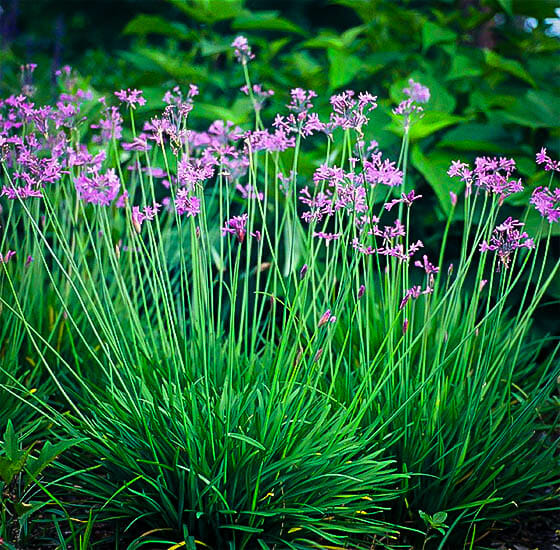
Society Garlic - Pretty Way To Keep Pests Away
Available HERE
Alliums
According to The Scott Arboretum of Swarthmore College, Alliums (Allium) can help you keep aphids, cabbage worms, slugs, and more out of your garden. This is a result of the strong odor of onion and sulfur they release, which is pungent to insects but not humans. The bloom season for Alliums, which can grow 6 to 12 inches tall, is late spring to early summertime, and they grow best in USDA growing zones 3 to 9. In order for Alliums to grow, they require full sunlight and well-draining soil.

Petunias - Pretty Flowers To The Rescue
Petunias
Petunias (Petunias) are a well-known flower type that many gardeners recognize. In addition to looking beautiful, they can also ward off insects. According to the University of California Division of Agriculture and Natural Resources, Petunias require plenty of water, sunlight, and sandy soil to keep them healthy. They can also be grown in different environments within USDA growing zones 10 and 11. The bloom season for petunias, which grow up to 18 inches tall and spread 4 feet wide, begins during spring and ends in the winter.
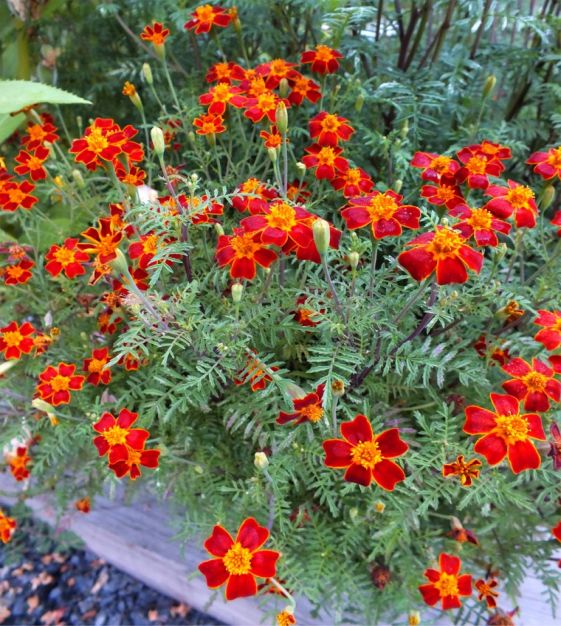
Marigolds Come To The Fight Against Bugs And Pests
Marigolds
Marigolds (Tagetes spp.) are extremely popular during the fall in many different cultures, and research conducted by North Carolina State University also suggests they can be used to manage the growth and reproduction of nematodes. As a result, you can keep the nematode population in your garden under control. To ensure your marigolds are healthy, make sure they receive direct sunlight, have enough room to grow, and are watered when their soil is completely dry. Marigolds, which bloom from early summer to late fall, require loamy soil and thrive in USDA growing zones 2 to 11.
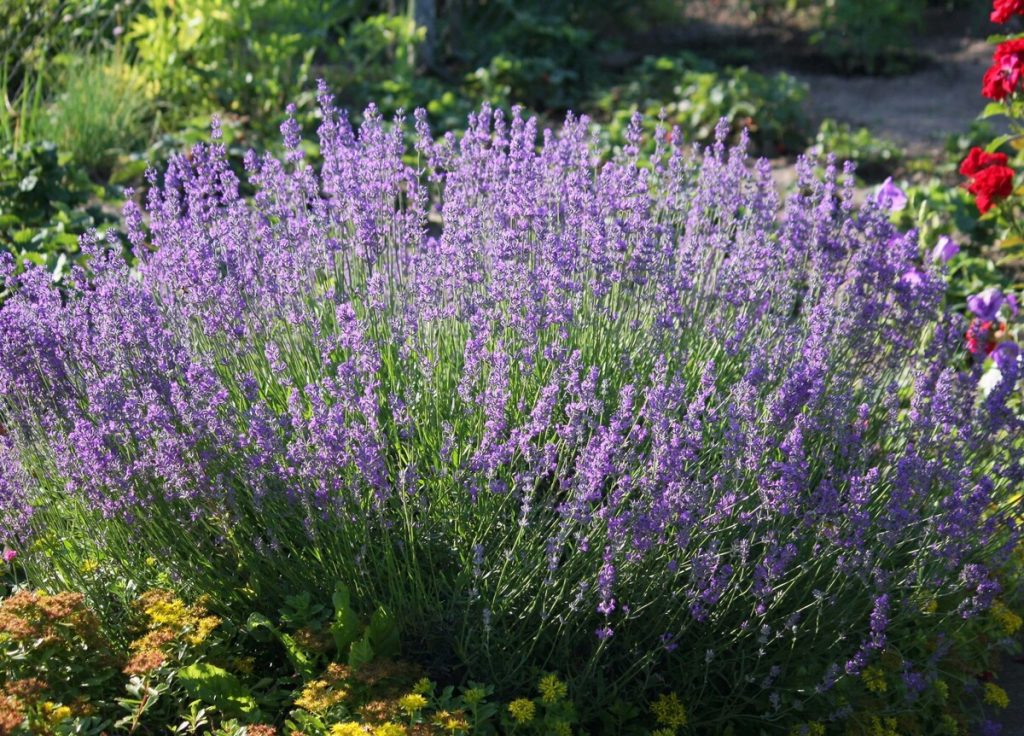
English Lavender - Lavandula - A Pleasant Fragrance
Lavender
Lavender (Lavendula spp.) provides a delightful fragrance that can also ward off bugs, specifically when made into an essential oil. Mosquito Reviews states that essential oil made from lavender contains linalool, a potent compound that's repulsive to mosquitos. Their bloom season begins in late spring and can end in late fall, and this flower can grow up to 24 inches tall and wide. Lavender plants thrive in USDA growing zones 5 to 9 and in well-draining soil that's slightly acidic. While they must receive full sunlight daily, they don't require frequent watering.

Geranium-Ivy-Mixed - Pretty And Attractive
Available HERE
Geraniums
Geraniums (Pelargonium) are easy-to-grow flowers that can keep mosquitos, beetles, and other pests away. For this reason, Geranium extract is commonly found in natural insect repellents, such as sprays and candles (via Garden Guides). The bloom season for Geraniums begins in spring and typically ends in fall. This flower grows best in USDA growing zones 9 to 12. Caring for Geraniums is simple since they can withstand periods of infrequent watering. Simply make sure your blooms receive plenty of sunlight and are planted in rich loam soil.
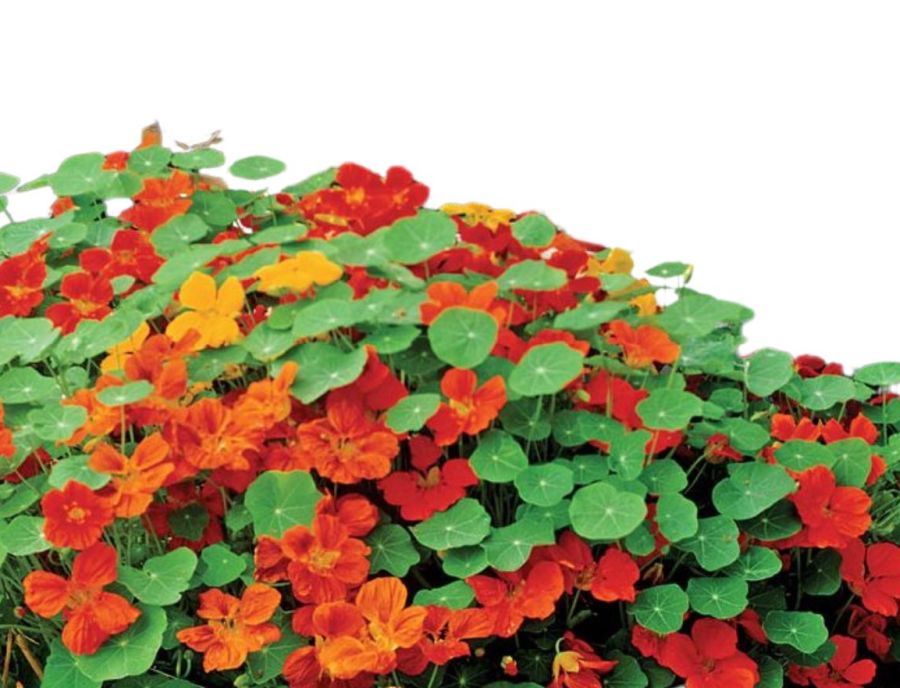
A Variety Of Nasturtiums - To Join You In The Fight
Leaves Are Edible - Slightly Peppery
Nasturtiums
Nasturtiums (Tropaeolum spp.) bloom from summer to fall and can assist with pest control in your garden. According to Cochise County Master Gardeners, Nasturtiums may repel aphids, Mexican bean and striped pumpkin beetles, potato and squash bugs, and whiteflies. For best results, plant them near your vegetable crops (they're edible) and ensure they receive plenty of direct sunlight. You'll want to regularly water Nasturtiums, but avoid overwatering. It's also a good idea to plant them in USDA growing zones 8 to 10 and in loamy soil. These flowers can bloom up to 5 feet tall and 2 feet wide.
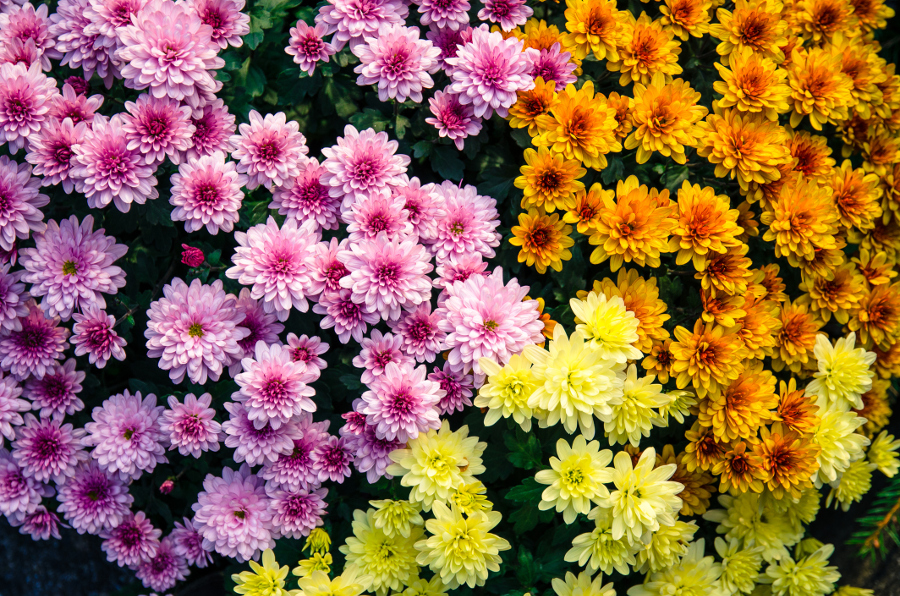
Pretty Color Chrysanthemums - Protecting Our Gardens
Chrysanthemums
Chrysanthemum (Chrysanthemum spp.) flowers can be used to deter insects. If you're constantly bugged by mosquitos, fleas, flies, moths, or ants, mums may help ward them off since some naturally contain pyrethrin, a potent pesticide (via National Pesticide Information Center). Chrysanthemums will typically grow from late summer to early fall. Make sure to plant them in USDA growing zones 5 to 9 where they can receive full sunlight and regular watering. They'll also need nutrient-rich soil and may grow up to 3 feet tall.
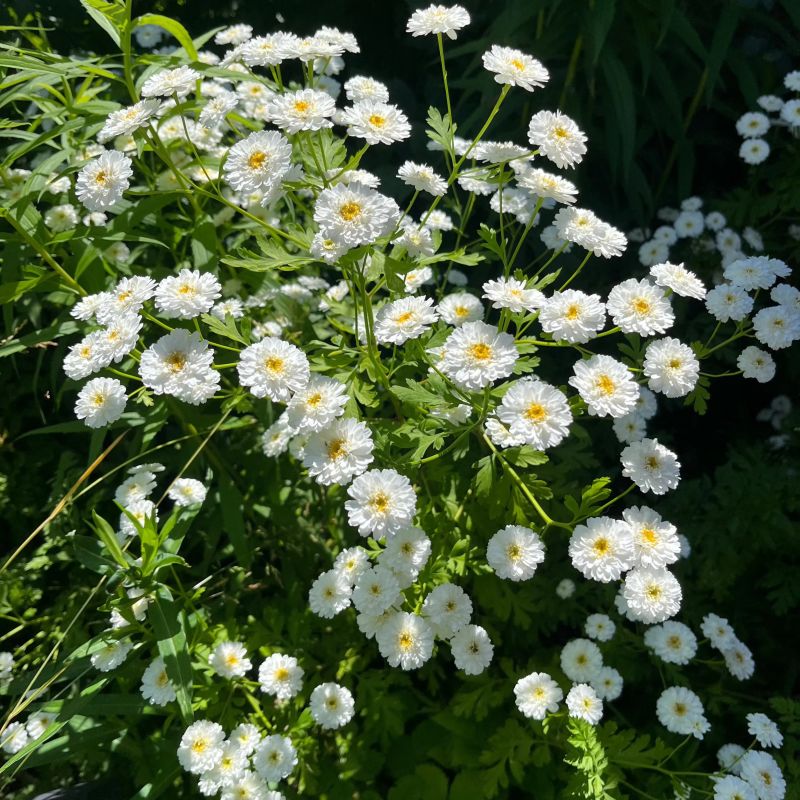
Feverfew - Good For Migraines Too
Feverfew
Feverfew (Tanacetum parthenium) can be used as an effective bug repellent to remove any mosquitos, gnats, ticks, and fleas (via Candide). These flowers are often mistaken for daisies and are part of the chrysanthemum family. The bloom season for Feverfew flowers typically occurs from summer to fall. In order for them to grow, they should be planted in USDA growing zones 5 to 10 and in well-draining, loamy soil. They also require direct sunlight and moderate watering. You can expect them to grow 8 to 24 inches tall.
Article Source HERE
Choice of Pictures and Picture Captions are mine.