Skip to content

How to Stop Mental Clutter and Fall Asleep Faster

By Mie Hermansen – MSN

Establish a Consistent Nighttime

A regular bedtime routine helps signal to your brain that it’s time to wind down. Avoid screens, bright lights, and stressful activities in the hour before bed.

Write Down Your Thoughts

If your mind is cluttered with worries, jot them down in a notebook before bedtime. This helps clear your head and prevents you from mentally going over the same concerns repeatedly.
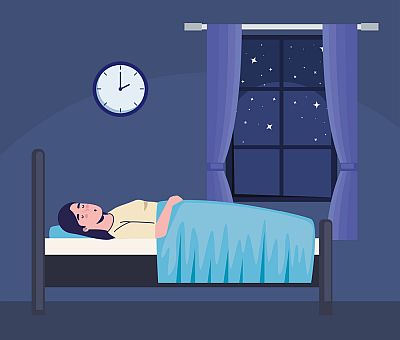
Less Clutter - More Sleep - It Helps!

Practice Deep Breathing

Slow, deep breaths can calm your nervous system and reduce stress. Try the 4-7-8 breathing technique: inhale for 4 seconds, hold for 7 seconds, and exhale for 8 seconds.

Listen to Relaxing Sounds

Soothing sounds like ocean waves, rain, or soft music can drown out mental chatter and create a more peaceful sleep environment.

Make Your Bedroom a Sleep Sanctuary

Ensure your bedroom is dark, cool, and quiet. Remove distractions and consider blackout curtains or earplugs if necessary.

Try Progressive Muscle Relaxation

Tense and relax different muscle groups one at a time, starting from your feet and moving up through your body.…

NOT EVERYONE CAN TAKE ADVANTAGE OF THIS AT THE PRESENT TIME, BUT FOR THOSE WHO CAN, WHY NOT GIVE IT A TRY? AND THIS WILL BE SOMETHING SOME OF US CAN LOOK FORWARD TO, HEY? CAMPING IS A FAVORITE TO MANY AND A NICE DISCOVERY IF YOU HAVE NEVER TRIED IT.

Camping Has the Power to Reset Our Internal Clocks

For diehard campers, no one needs to tell them how beneficial sleeping underneath the stars can be. The combination of peaceful tranquility, fresh air and connection with nature is enough to cure the effects of the 9-5. New research is backing up this intuition, suggesting that taking a time out from our busy, technology-soaked lives can help reset our internal clocks so we can literally rest more easily.

Researchers from the University of Colorado in Boulder set out on a six day camping trip in the Rocky Mountains, sans smartphones and any other illuminating tools. For the duration of the trip, the campers only utilized daylight and the glow of their campfire. The result was the group going to sleep an average of two and a half hours earlier than they would at home and getting ten hours of sleep each night.…

I'VE RESEARCHED ABOUT SLEEP QUITE OFTEN THROUGH THE YEARS AND SEEN KNOWLEDGE GROW. IT'S AN INTERESTING TOPIC. LET'S SEE WHAT HAS SURFACED NOW! Sometimes Science Can Be Our Enemy And Sometimes It Can Be Our Friend - I like Those Better, Do You? THIS HAS TO DO WITH MORE DISCOVERIES ABOUT OUR GENES - THEY CAN BE A GOOD THING WHEN IT COMES TO POSITIVE.

If you didn't have to worry about work, social commitments or kids, what would be your ideal time to go to sleep?

You probably know that sleep is important — you can tell that just by how yuck you feel when you don't get enough of it.

But is there more to sleep than just how much you get? Is there a difference between getting the much-hyped eight hours between 11pm and 7am, and 9pm and 5am?

The short answer to the "is there an ideal time for going to sleep" is "at night-time". But that's too short for an article, and there is a little more to it than that, so we asked some sleep experts for a deeper answer.

Your Perfect Bedtime Is In Your Genes
Moira Junge is a health psychologist with the Sleep Health Foundation, an advocacy group that campaigns for all things relating to sleep, and she says the idea that there's one true time to rule them all for going to sleep is a myth.…