Skip to content

When families live miles away from the countryside, they often assume that nature is a destination they have to drive hours to reach. This misconception keeps children shut up indoors, falling victim to the artificial blue light of screens that steals their sleep and clouds their minds. The truth is that nature is incredibly resilient, and the suburbs are full of overlooked, unmanaged spaces that mimic the freedom of a country town. To save our innocent kids from a shallow, programmed thought life, we must teach them how to hunt for the "pocket wilderness" hidden right in their own neighbourhoods.

│   THE COMMUTE TO THE WILD    │

│     NEIGHBORHOOD EASEMENTS   │                │     THE "SLOW WALK" RULE     │

│ Drainage creeks, overgrown   │                │ Let the child lead; pause    │

│ pathways, and wild bush.     │                │ to watch ants and ripples.   │

│ Goldmines for mud, insects,  │                │ Drops the developing mind    │

│ and unscripted exploration.  │                │ into deep contemplation.     │

Look past the neat property lines and manicured public parks. The real magic for a child happens in the neglected spaces: local rainwater easements, overgrown council pathways, drainage creeks, or the unmanicured patches of bush tucked behind local sporting fields.…
Hi Friends, When I first sat down to write this series, my heart was focused entirely on our children — on the unfairness of the couch-potato lifestyle and the critical need to return young, developing minds to the healthy dirt, the blessing of sunshine, and the wild earth. But as I peeled back the layers of this modern crisis, a deeper truth stared back at me.

We cannot give our Children a Gift we do not have Ourselves.
We can Explore it though, if we have the Courage to Try something New.

The reality is that an entire generation of Modern Parents were raised inside the exact same suburban, screen-centric bubble that is now confining their kids. If you find the outdoors exhausting, dirty, or frankly a bit boring, it is not your fault. You were programmed by concrete and glass just as your children are being programmed today.

Excessive Time Indoors with so much TV Viewing and Time spent on Tech Devices is a highly Synthetic Lifestyle. No wonder we're Stressed. Did you know that those things actually Set our System Up for Stress when we spend so much time with them, because they're actually Foreign to the way we were Created and what we were essentially Designed to Respond to (Best) NATURE........this…

To overcome intense overwhelm when tidying a cluttered room, immediately reduce your physical scope and clear visual clutter first to lower cortisol and trick your brain out of its protective "freeze" response. Looking at a massive mess as one single project causes decision fatigue and anxiety. Breaking the work into micro-steps will build momentum without exhausting your mental energy.

To Make Things A Bit Easier When You Don’t Know Where To Start

Before you touch a single item of sentimental value or try to organize anything, walk through the room with a trash bag and a laundry basket to quickly strip away the top layer of mess. Reddit 

  • Bag the Obvious Rubbish: Toss out wrappers, broken items, and junk mail without overthinking.
  • Gather Dishes from Rooms: Collect cups and plates and move them straight to the kitchen sink.
  • Corral the Laundry: Scoop up stray clothes and put them directly into a clothes hamper.
  • Hide Large Visual Clutter: Quickly shift bulky items out of the central walking path to give yourself immediate breathing room. 

In our last article, we talked about how excessive tech use unleashes a "Give Me, Give Me" Dopamine Monster that disrupts our homes, marriages, and peace of mind. But you might be wondering: How does a chemical inside my head actually twist my behavior, making me feel lazy, apathetic, or prone to putting things off?

To understand this, we need to look at a natural survival mechanism in the brain called Dopamine Down-regulation.

The Brain's "Volume Control"

Think of your brain like a room with a stereo system. Dopamine is the music. When you do something healthy and normal—like eating a good meal, finishing a chore, or hugging your spouse—your brain plays a beautiful, gentle melody. It feels good, and it motivates you to do those things again.

But when you pick up a smartphone, open a laptop, or start endlessly scrolling, it doesn't just play music. It blasts a heavy metal concert at maximum volume. Every notification, like, and video sends a massive, unnatural flood of dopamine into your brain.

Your brain loves balance (homeostasis). To protect itself from being completely deafened by this digital noise, your brain reaches for the volume knob and turns it way down.…

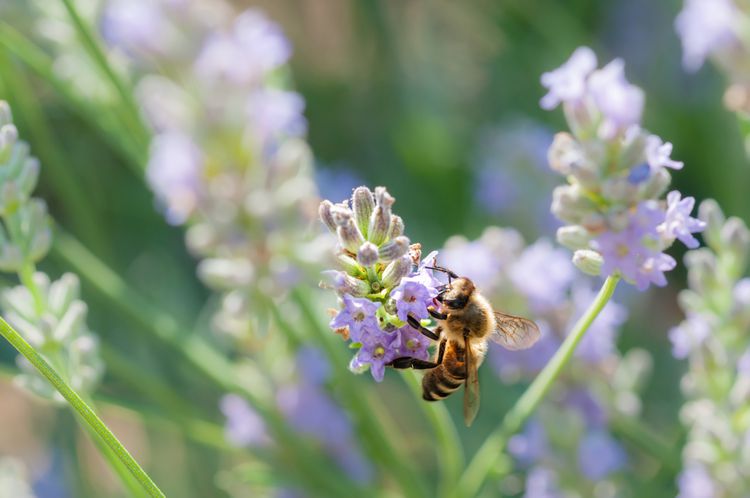
I Love Bees. And in Mid Autumn, I bought several Pots of Nemesias and Violas for them that are flowering through the Winter for them and they will continue to do so through Springtime. I chose mostly Blues and Pinks and Purples with some Yellow and some White. They have been Enjoying them in my Front and by my Veranda.
I will be having some More Articles about BEES on my Blog. There are a few now. Enjoy!

Brandee Gruener is a digital editor and writer with 20 years of experience. Her articles on gardening, homes, food, and health have appeared in American Gardener, and other national and regional publications.

Gorgeous Bees - Who Loves Bees?

Bees and other pollinators don't necessarily like the flowers that we do. Fussy double-flowered peonies, vivid petunias, and scentless pelargoniums aren't of much interest to bees. In fact, bees literally see the garden differently than humans since we don't have the same perception of color. There is one color in particular that bees don't register, no matter how beautiful it looks to us in the garden.

Find out the flower color to avoid if you want to attract bees, which colors bees prefer, and other tips for drawing pollinators to your garden.…

In this Research, I covered Liver Health and Digestive System (Exercise Wise) Eye Health (Generally Helpful) Heart and Brain and Mood Level also (Contributing To) These things do not perform Miracles but along with a Sensible Diet and Good Sleeping Habits are Advantageous in Our 70s and 80s.

This Information Article Is Divided In Three GROUPS Of Questions
In RED To Help You Navigate and Review Them Anytime
You Wish To Find Something:)

MY FIRST BASIC QUESTIONS WERE
Does Moderate Moving Around in the House and 5-8 Minute Walks
10-15 Minutes after Meals 3 Times a Day Help With These Things?

Yes. Moderate movement around the house combined with three 5–8 minute walks after meals can help protect against nonalcoholic Fatty Liver Disease, especially when done consistently.

The effect isn't dramatic from the walks alone, but it can be meaningful over time because physical activity:

  • Improves insulin sensitivity.
  • Helps control blood sugar after meals.
  • Reduces the amount of fat the liver stores.
  • Supports weight maintenance or weight loss.

Maybe the Best Modern Advice isn’t New at all.
It’s time we Start Practicing what they Never Stopped Doing.

We like to think our generation has it all figured out.

We have life coaches, mindfulness apps, therapy podcasts, and endless advice online.

But talk to someone in their 60s or 70s, and you’ll quickly realize that many of them built something that feels increasingly rare: families that actually stay close, grounded, and connected.

They didn’t have fancy tools or self-help jargon.

What they had were simple habits that worked because they were lived, not preached.

Here are nine of those habits that quietly built stronger families than most modern advice ever could.

Families Who Eat Together Are Often Happier
Shared Mealtimes Are Good For Bonding

They Ate Together

It sounds small, but this one was the glue.

In most homes decades ago, dinner wasn’t optional.

You didn’t scroll through your phone in the living room or grab a plate and disappear to your room.

You sat down, waited for everyone, and ate together.

Psychologists have since confirmed what our grandparents already knew: shared meals strengthen emotional bonds, improve communication, and reduce the chances of kids developing anxiety or depression.…

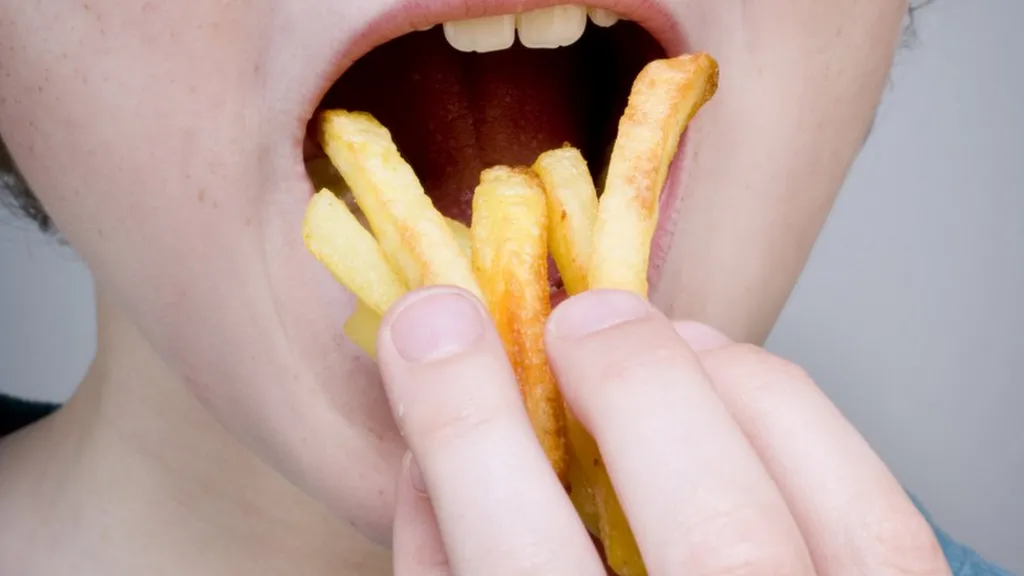
Experts are warning about the risks of extreme restrictive eating after a teen developed permanent sight loss after living on a diet of chips and crisps.

Eye doctors in Bristol UK cared for the 17-year-old after his vision had deteriorated to the point of blindness.

Since leaving primary school, the teen had been eating only French fries, Pringles and white bread, as well as an occasional slice of ham or a sausage.

Tests revealed he had severe vitamin deficiencies and malnutrition damage.

Chips and Junk Food are BAD for Our EYES

Malnourished

Three years later, he was taken to the Bristol Eye Hospital because of progressive sight loss, Annals of Internal Medicine journal reports.

Dr Denize Atan, who treated him at the hospital, said: "His diet was essentially a portion of chips from the local fish and chip shop every day. He also used to snack on crisps - Pringles - and sometimes slices of white bread and occasional slices of ham, and not really any fruit and vegetables.

"He explained this as an aversion to certain textures of food that he really could not tolerate, and so chips and crisps were really the only types of food that he wanted and felt that he could eat."…

‘Whenever I feel down, I activate the power of Choice – then I feel better.’
Allan Lowery

Hi there, I'm going to give you a few Ways you can Manage Stress Better
for the Sake of Your Health. Here are a number of Ways you can do that.
Is that OK with You? Let's go!

RELAXING MUSIC
Quietly Played like Light Instrumental and Light Orchestral with or without Birdsongs or Ocean Waves; Light Classical or Easy-Listening or Folk Music.
Hear Music-1 Music-2 Music-3 if You Like
(They are at the top of Your Screen also)

NEED FOR EXERCISE
Walking is found to be the Best Exercise for Most People - especially in Parks or Nature Settings - you can do Brisk Walking or Strolling or Japanese Walking with Brisk and Slow Walking in 5 or 1o Minute Relays; Hiking or Simple non-demanding Cycling; Visits to the Beach, River or Hills or a Small Country Drive; Swimming, Paddling or Strolling along in the Shoreline or Collecting Pebbles and Shells; Singing along to oneself or in the Shower;  Low Maintenance Gardening with Flowers or Herbs and Veggies in Containers or Raised Garden Beds.…

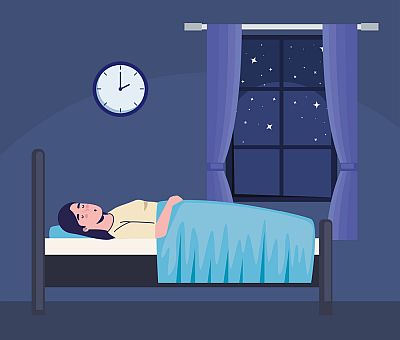
How to Stop Mental Clutter and Fall Asleep Faster

By Mie Hermansen – MSN

Establish a Consistent Nighttime

A regular bedtime routine helps signal to your brain that it’s time to wind down. Avoid screens, bright lights, and stressful activities in the hour before bed.

Write Down Your Thoughts

If your mind is cluttered with worries, jot them down in a notebook before bedtime. This helps clear your head and prevents you from mentally going over the same concerns repeatedly.

Less Clutter - More Sleep - It Helps!

Practice Deep Breathing

Slow, deep breaths can calm your nervous system and reduce stress. Try the 4-7-8 breathing technique: inhale for 4 seconds, hold for 7 seconds, and exhale for 8 seconds.

Listen to Relaxing Sounds

Soothing sounds like ocean waves, rain, or soft music can drown out mental chatter and create a more peaceful sleep environment.

Make Your Bedroom a Sleep Sanctuary

Ensure your bedroom is dark, cool, and quiet. Remove distractions and consider blackout curtains or earplugs if necessary.

Try Progressive Muscle Relaxation

Tense and relax different muscle groups one at a time, starting from your feet and moving up through your body.…