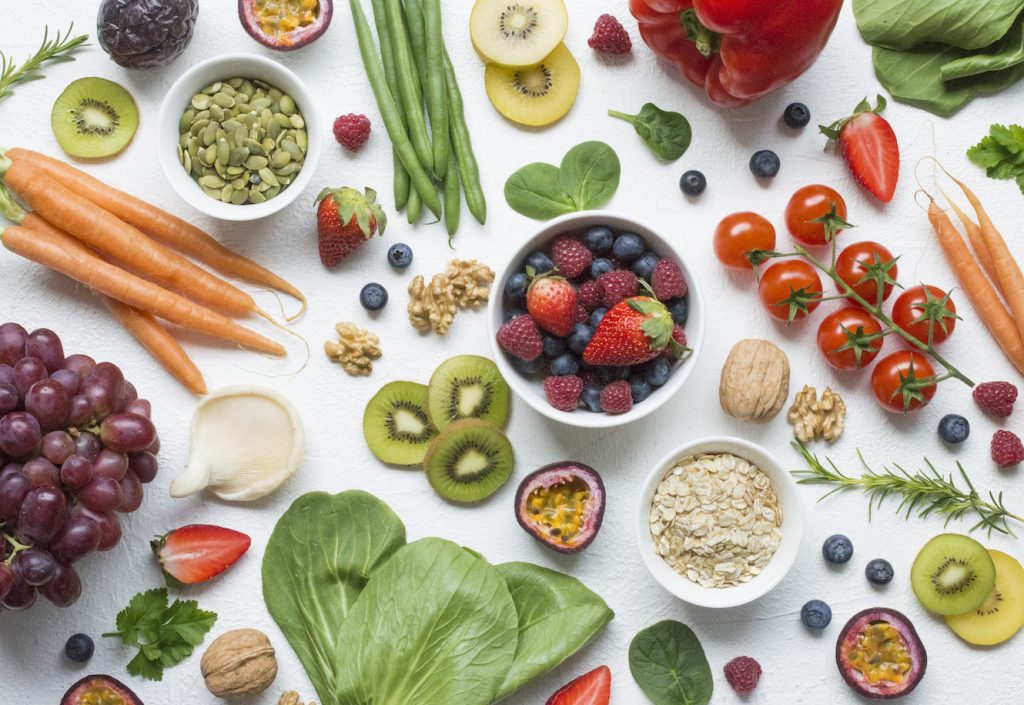
You can blame most of this on the Highly Compromised Food Industry where So Many Foods are not Real Food – they are Highly Processed… Ultra-Processed…Foods and Fake Foods…Laden with Cane Sugar or Sweeteners and ALL Manner of Chemical Additives. No wonder our Gut Health is going Crazy because most of the FOODS are CRAZY and Our Body can’t handle it.
This truly Is Important to Restore Gut Health Our Body depends on to experience GOOD HEALTH.
The pursuit of So Many in Our Time!
Our intestine comes into contact every day with the material from no time - in the form of food, bacterial fragments, pollutants. Between our body and the outside world, it is constantly decided which substances the body absorbs, which are not processed and excreted. In this process, a properly functioning intestinal mucosa of the gastrointestinal tract is required and of enormous importance for our health.
The symptoms of Leaky Gut syndrome can be very diffuse and diverse, such as:
- Joint pain and muscle pain
- Chronic muscle pain
- Concentration disorders
- Bloating, diarrhea, constipation
- Headache / migraine
- Mood fluctuations up to depression
- Eczeme /acne
- weakened immune system
- Chronic fatigue
- Food intolerance (food intolerances)
- Irritable bowel complaints
Many of the symptoms mentioned are not necessarily associated with a sick intestine.…